This engaging webinar series will explore the unique experiences and challenges associated with aging for individuals with Down syndrome. Designed for families, caregivers, and professionals, the series covers topics such as Alzheimer’s disease, financial and future planning, medical care, and more. Participants will gain practical strategies and resources to support quality of life through adulthood and into later years.
Is It Alzheimer’s? Getting an Accurate Diagnosis
Julie A. Moran, D.O., Geriatrician, Intellectual and Developmental Disabilities Consultant; Clinical Instructor of Medicine; Tewksbury Hospital; Massachusetts Department of Developmental Services; Harvard Medical School
Thursday, May 7, 2026
12:00-1:30pm ET
Navigating a suspected dementia diagnosis can be an overwhelming and isolating experience for families. This webinar guides caregivers through the process of evaluating cognitive health and changes in adults with Down syndrome. Because individuals with Down syndrome face a significantly higher risk of developing Alzheimer’s disease, a thorough evaluation is essential to getting an accurate diagnosis and in planning for the future. This webinar will provide a roadmap for caregivers to move from uncertainty to action, ensuring that the individual’s unique baseline is at the center of the diagnostic process. Participants will gain a clear understanding of the specialized tools and interdisciplinary approaches required to distinguish the early signs of Alzheimer’s from other treatable medical conditions.
 Expressive Arts Therapy for Individuals with Memory Loss
Franci DuMar, MA, RDT, CDP, CDCP, Clinical Expressive Arts Therapist, Registered Drama Therapist, Clear Guidance, LLC
Monday, June 1, 2026
12:00-1:30pm ET
As individuals with Down syndrome age, they face a significantly higher risk of developing Alzheimer’s disease and related dementias. As memory and verbal abilities change, traditional methods of communication and connection often become difficult. However, the capacity for creativity, imagination, and emotional expression remains.
Join Franci DuMar, Clinical Expressive Arts Therapist and Registered Drama Therapist, for this session in the MDSC Center on Down Syndrome and Aging webinar series, on the topic of how Expressive Arts Therapy has been used as an effective, engaging, and enjoyable mental health treatment tool for individuals, including those with Down Syndrome facing memory loss. This treatment often includes using visual art, dance/movement, writing, theater/enactment, and music creatively.
In this session, participants will be introduced to the benefits of Expressive Arts Therapy and how it promotes social engagement, whole body wellness, and cognitive activation in individuals with Down Syndrome. Through an interactive demonstration and discussion, participants will experience a brief introduction to this form of therapy, and be given resources to explore this cutting-edge engagement tool.
Learning Objectives:
In this webinar (including Q&A), we will cover:
- The Fundamentals of Expressive Arts Therapy: Including how it is used and why it is effective.
- Bridging the Communication Gap: How to use sensory and artistic experiences to connect with individuals.
- Dementia Risk Factors: Participants will understand how social isolation puts aging adults at greater risk of depression and dementia, and how social engagement activities can combat these risk-factors.
- Emotional Regulation & Anxiety Reduction: Techniques to help manage behavioral symptoms of dementia through creative outlets. 5. Participants will learn one simple Expressive Arts technique to use safely with aging adult clientele to foster engagement and joy.
Financial Planning for Two Generations: Supporting Aging Loved Ones While Building the Team to Carry On
Alexandria Nadworny, CFP®, CTFA, Vice-President, Wealth Advisor, Sequoia Financial Group
Tuesday, July 7, 2026
12:00-1:30pm ET
For families with aging parents, adult children with disabilities, or both, planning must address two generations at once.
This session explores how to coordinate financial, legal, and caregiving decisions to support today’s needs while preparing for tomorrow’s transitions.
We will discuss:
- Planning for longevity, healthcare, and long-term care expenses
- Preserving eligibility for government benefits
- Structuring trusts and estate plans to provide lifelong support
- Funding strategies to sustain care over time
- Identifying and empowering the next generation of decision-makers
- Building a coordinated team — trustees, guardians, advisors, care managers, and family members — to carry the plan forward
True multi-generational planning means ensuring that when one generation can no longer lead, the next is ready — financially, legally, and emotionally.
Because the most thoughtful plans don’t just transfer assets. They transfer stability, clarity, and care.
 Proactive Wellness: Navigating Aging and Health in Down Syndrome
Dr. Nicolas Oreskovic, MD, MPH, Internist, Pediatrician, Clinical Researcher, Massachusetts General Hospital
Friday, August 28, 2026
12:00-1:30pm ET
As individuals with Down syndrome are living longer, fuller lives than ever before, the focus on healthy aging has never been more important. But what does “aging well” actually look like, and what steps can we take now to ensure the best quality of life for the future? Join us for an empowering session with Dr. Nicolas Oreskovic, a leading expert in Down syndrome. Moving beyond just medical management, Dr. Oreskovic will discuss how to take a proactive approach to health. He will share practical strategies for maintaining a healthy lifestyle, identifying changes early, and planning ahead with confidence.
In this webinar, we will cover:
- The Pillars of Healthy Aging: Understanding the unique health considerations for adults with Down syndrome as they age.
- Lifestyle as Medicine: Practical tips on diet, exercise, sleep, and social engagement to boost brain health and overall well-being.
- Dementia & Brain Health: Demystifying the link between Down syndrome and Alzheimer’s, and focusing on what we can control.
 Aging with Grace: Strategies to Maximize Nutrition and Hydration for Adults with Down Syndrome
Dominica Nichols, PhD, RD, LDN, Registered Dietitian/Nutritionist, Down Syndrome Program, Massachusetts General Hospital
Thursday, September 3, 2026
12:00-1:30pm ET
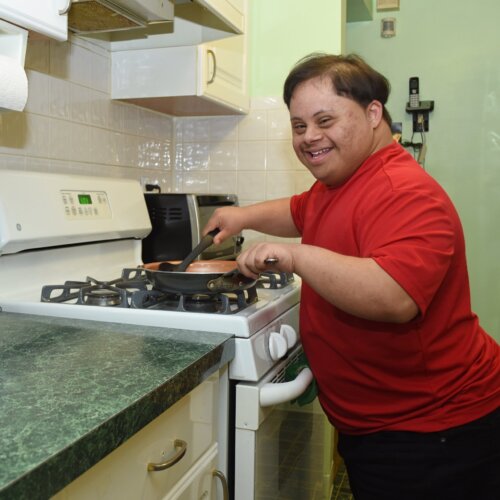
As life expectancy has increased for individuals with Down syndrome, caregivers are increasingly called upon to support healthy aging and quality of life. Adults with Down syndrome face unique nutritional considerations related to changes in metabolism, muscle mass, gastrointestinal health, bone density, and cognitive aging. Thoughtful, individualized nutrition and adaptive feeding strategies can play a critical role in promoting and maintaining independence, quality of life, comfort, and long-term wellness.
Create a Better Day Through Meaningful Engagement
Tammy Pozerycki, MA, BC-DEd, CMC, CDCL, CADDCT, CFRDT, CDP, COTP, Director of Training and Education & Aging Life Care Manager, Clear Guidance, LLC
Thursday, October 1, 2026
12:00-1:30pm ET
Structure and routine are paramount to a person with dementia. In this training, attendees will learn about whole-person-centered care through opportunities for engagement. Tools, strategies, and resources will be described in terms of physical, cognitive, creative, social, household, occupational, and therapeutic engagement.
Caring for the Caregiver: Strategies for Your Own Well-Being
Clorinda “Clo” Cottrell, LICSW, Care Manager, Social Worker, Certified Dementia Care Partner, Clear Guidance, LLC; Affiliated Regional Trainer, National Task Group on Intellectual Disabilities & Dementia Practices
Katie Sweet, LICSW
Tuesday, November 3, 2026
12:00-1:30pm ET
This webinar focuses entirely on self-care and caring for the caregiver. Caregiving is a marathon, not a sprint, and the progressive nature of Alzheimer’s requires caregivers to find sustainable ways to replenish themselves physically, mentally, and emotionally.
This session helps you recognize the early warning signs of stress and provides practical, compassionate strategies to maintain your well-being. We will explore the “partnership” of care, embracing the idea that your health and happiness are the foundation for your loved one’s quality of life. Participants will learn how to build a supportive circle of help, discover community resources, and create gentle self-care routines that fit into daily life. By learning to be kind to yourself and accepting imperfection, you can cultivate the resilience and peace of mind needed for the journey ahead.
 Adult Healthcare: Integrating Medical Guidelines and Psychosocial Well-Being
Clorinda “Clo” Cottrell, LICSW, Care Manager, Social Worker, Certified Dementia Care Partner, Clear Guidance, LLC; Affiliated Regional Trainer, National Task Group on Intellectual Disabilities & Dementia Practices
Stephanie Santoro, MD, Associate Professor, Harvard Medical School
Thursday, December 3, 2026
12:00-1:30pm ET
Providing optimal care for adults with Down syndrome requires a dynamic approach that balances clinical evidence with the emotional and social realities of daily life. In this session, Dr. Stephanie Santoro and Clorinda Cottrell, LICSW, explore the intersection of physical health maintenance and psychosocial wellness. Dr. Santoro will guide attendees through the latest healthcare guidelines and screening protocols unique to this population, grounded in the most recent clinical literature. Complementing the medical data, Clo will discuss the vital interplay between physical health and mental and emotional well-being. Together, they will provide a roadmap for supporting adults with Down syndrome, ensuring that medical best practices are paired with an understanding of the person’s overall quality of life.
Key Learning Objectives:
- Evidence-Based Guidelines: A comprehensive review of current adult healthcare guidelines for Down syndrome
- The Medical-Psychosocial Interplay: An exploration of how physical health conditions—such as thyroid dysfunction, sleep apnea, or sensory loss—impact mental health and emotional wellness.
- Unique Screening Needs: A discussion of common health topics and screening needs unique to adults, with a focus on identifying both medical and mental health conditions as they evolve with age.
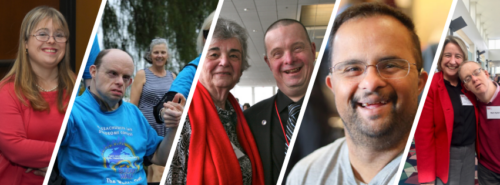
 The Center on Down Syndrome & Aging (CDSA) is a groundbreaking initiative that addresses a critical and largely overlooked need in our community. As individuals with Down syndrome are living longer, they face unique challenges associated with accelerated aging, including increased risk of Alzheimer’s disease and other age-related conditions. Currently, there is a significant gap in resources, support, and understanding of these issues, leaving many adults with Down syndrome and their caregivers isolated and unprepared for the challenges ahead. The CDSA will fill this void by providing comprehensive, specialized support and resources tailored to the needs of aging adults with Down syndrome. It will also serve as a hub for knowledge sharing and collaboration among professionals in the field of intellectual and developmental disabilities and aging.
 The Center on Down Syndrome Aging has two central goals:
 Who will be impacted? The Center on Down Syndrome & Aging (CDSA) will directly impact three primary groups:


